

Summary
Residents across the Central West region are being urged to prepare their homes, properties and emergency plans ahead of the upcoming storm season.
Residents across the Central West region are being urged to prepare their homes, properties and emergency plans ahead of the upcoming storm season.
The storm season typically runs from November to April, with storm activity sometimes beginning as early as October.
Severe thunderstorms can bring damaging winds, heavy rainfall, flash flooding, large hail and dangerous lightning, with rural and remote communities often facing additional challenges due to distance, isolation and potential disruptions to power, communications and road access.
Central West Hospital and Health Service Executive Director of Nursing and Midwifery Services Troy Lane said residents should act now to reduce risks and ensure they were ready should severe weather impact their community.
“We all remember the widespread flooding early this year,’’ he said.
“Preparing before storm season can help protect lives, livestock, homes and businesses, while also reducing the impact of prolonged isolation caused by flooding or road closures.
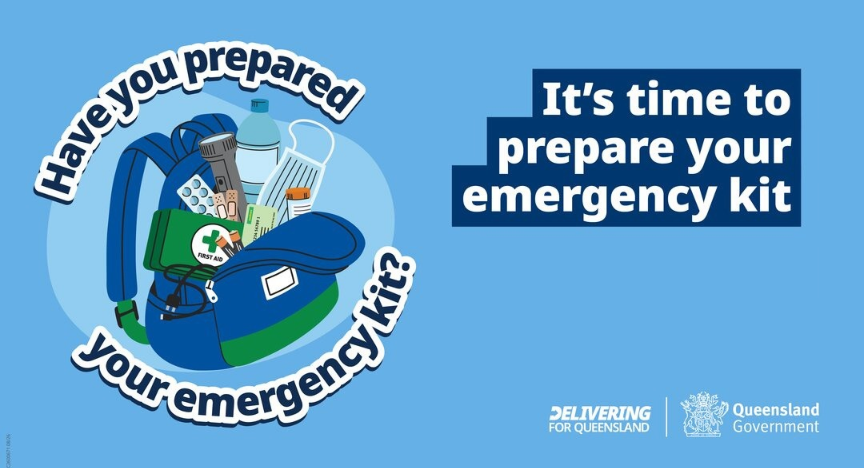
“On a personal level, people need to have an emergency kit ready just in case they must evacuate.
“An emergency kit containing long-life food, drinking water, a radio, a torch, spare batteries, and toiletries will help families stay safe if the shops are closed, or if water or power supplies are disrupted.
“You should also ensure you have enough medicines, including prescription medicines, to last you a week or so.
“With pharmacies few and very far between in remote areas of the state, regular medications may be difficult to obtain, even without the added hazard of road closures.
“And don’t forget supplies for your pets, including food any medications.’’
Residents are encouraged to:
Check and update their emergency plans.
Prepare an emergency kit with essential supplies, including medications, food, water, batteries and important documents.
Secure loose items around homes, sheds and properties.
Inspect roofs, gutters and drainage systems to ensure they are clear and in good condition.
Trim overhanging tree branches that could cause damage during high winds.
Review arrangements for livestock, vehicles and equipment.
Stay informed by monitoring weather warnings and local emergency advice.
Mr Lane said preparation was particularly important for people living in rural and remote communities.
"Storm season can develop quickly and bring dangerous weather conditions that may affect transport, communications and access to essential services," he said.
"By taking simple steps now, residents can be better prepared to manage the impacts of severe weather and ensure they have the supplies and plans they need if conditions deteriorate.
"We encourage everyone to stay informed throughout the storm season, follow emergency warnings and check in on neighbours, family members and vulnerable members of the community during severe weather events.
Residents also should monitor forecasts and warnings from the Bureau of Meteorology and follow advice from emergency services throughout the storm season.
Extensive disaster preparedness and recovery information, as well as disaster-related health
information is available at:
http://getready.qld.gov.au/
http://www.health.qld.gov.au/disaster/
http://www.disaster.qld.gov.au/