

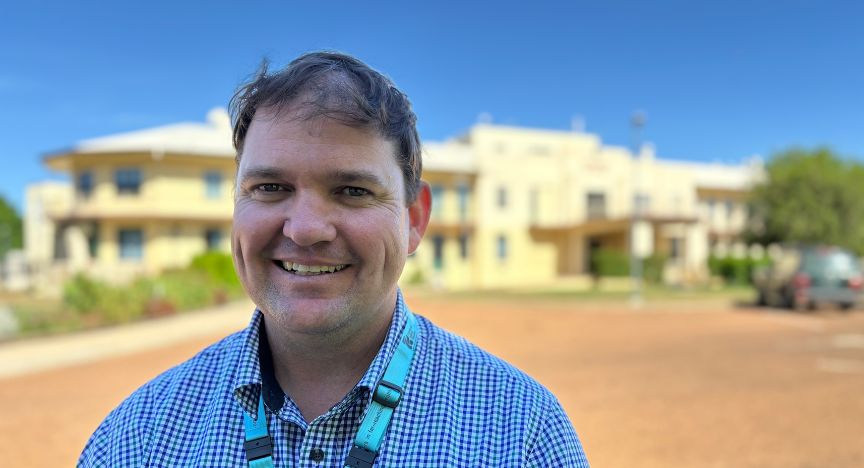
 Senior Medical Officer Dr Michael Pitt
Central West residents are urged to familiarise themselves with the risk of leptospirosis.
Leptospirosis can be a serious infection if left untreated.
Symptoms of leptospirosis may include fever, severe headache, muscle aches, chills, vomiting, and red eyes, and usually develop after five to 14 days following infection.
Symptoms can be similar to the flu so often it can be difficult to recognise and can be mistaken for other diseases.
While leptospirosis is treatable with antibiotics, early diagnosis is still the key.
Serious disease such as meningitis, kidney failure, bleeding and respiratory complications can develop from leptospirosis infection if it’s not treated promptly.
So, it’s important to see your doctor immediately if you suspect you have had exposure to contaminated water, soil, or mud, and develop these symptoms within a week or two.
We have had one case across the health service region so far this year, no cases in 2025 and one each in 2024 and 2023.
Leptospirosis is caused by Leptospira bacteria, which is found in urine or faeces from infected animals including cattle, pigs, rats, mice, and dogs.
The leptospirosis bacteria can enter the body through skin cuts or abrasions or through the lining of the mouth, nose, and eyes by exposure to water, soil or mud contaminated with the urine or faeces from infected animals.
Most at risk are rural workers, such as those working with cattle and other animals, as well as farm workers, but it can also be caused by drinking or swimming in creeks, rivers or lakes contaminated by the urine of infected animals.
Waters affected by heavy rain or flooding are especially risky.
That means people who participate in camping, gardening, bushwalking, and water sport pursuits can also be at risk of infection as they may have contact with contaminated water, soil,or mud during these activities.
There are many different strains of the Leptospira bacteria, so it’s possible to be infected with leptospirosis multiple times.
If you work with animals, make sure you cover cuts and abrasions with waterproof dressing, wear protective clothing such as gloves and boots, eye protection and masks covering face and mouth, shower after work, wash and dry hands frequently, and do not eat or smoke when handling animals.
Other safety tips to reduce the risk of leptospirosis include:
- Practice good hand hygiene and wash hands with soap properly and regularly, especially before
- eating or drinking.
- People should treat or boil water especially if collecting from a source that could be
- contaminated by floodwater runoff.
- Avoid swimming or wading in water where there is a chance of contamination with animal urine or
- floodwater runoff.
- Cover cuts and abrasions with waterproof dressings, especially before coming into contact with
- soil, mud or water that may be contaminated with animal urine.
- Wear protective footwear outdoors, especially when walking in mud or moist soil. Avoid walking
- barefoot on muddy surfaces or in muddy water, particularly if you have cuts or abrasions on your
- feet or legs.
- Wear gloves when gardening.
- Control rodents by cleaning up rubbish and removing food sources that are close to housing and
- thoroughly clean any areas where rodents have been.
- Wear a mask covering nose and mouth if using a high-pressure spray hose around soil.
Background information
Leptospirosis is a disease that is caused by several different bacteria called Leptospira.
Leptospira bacteria have been found in both domestic and wild animals. Humans become infected through contact with water, food, or soil contaminated with urine from infected animals such as rodents.
See: Leptospirosis
And: Leptospirosis: WorkSafe Qld